10 Years of Bridging Community to Nature |
In 2026, the Ottawa County Parks Foundation proudly celebrates 10 years of Bridging Community to Nature.
Throughout the year, our e-newsletter will highlight milestones from the past decade, share reflections from members of the Foundation’s founding Board of Directors, and showcase the lasting impact your generosity has made across Ottawa County Parks. Here’s to 10 years and the many more to come. |
2022
In 2022, the Foundation established an annual commitment to support Ottawa County Parks' outdoor education programs. This ongoing investment helps connect children, families, and lifelong learners with nature through hands-on experiences that foster curiosity, stewardship, and a deeper appreciation for the natural world.
By making outdoor education a lasting priority, the Foundation is helping ensure that future generations have meaningful opportunities to explore, learn, and build lifelong connections to nature. |
Cathy Feyt
"The opportunity to expand and enhance our amazing county parks was a fantastic learning experience and one I am very proud to have contributed to. As residents of Ottawa County, we are privileged to have one of the finest county park systems in the country." - Cathy Feyt
Cathy Feyt served on the Foundation's Board from its' founding until 2023. Cathy also served as the Foundation's Secretary and chaired the Governance and Nominations Committee.
Read more about Cathy here.
|
|
| |
|
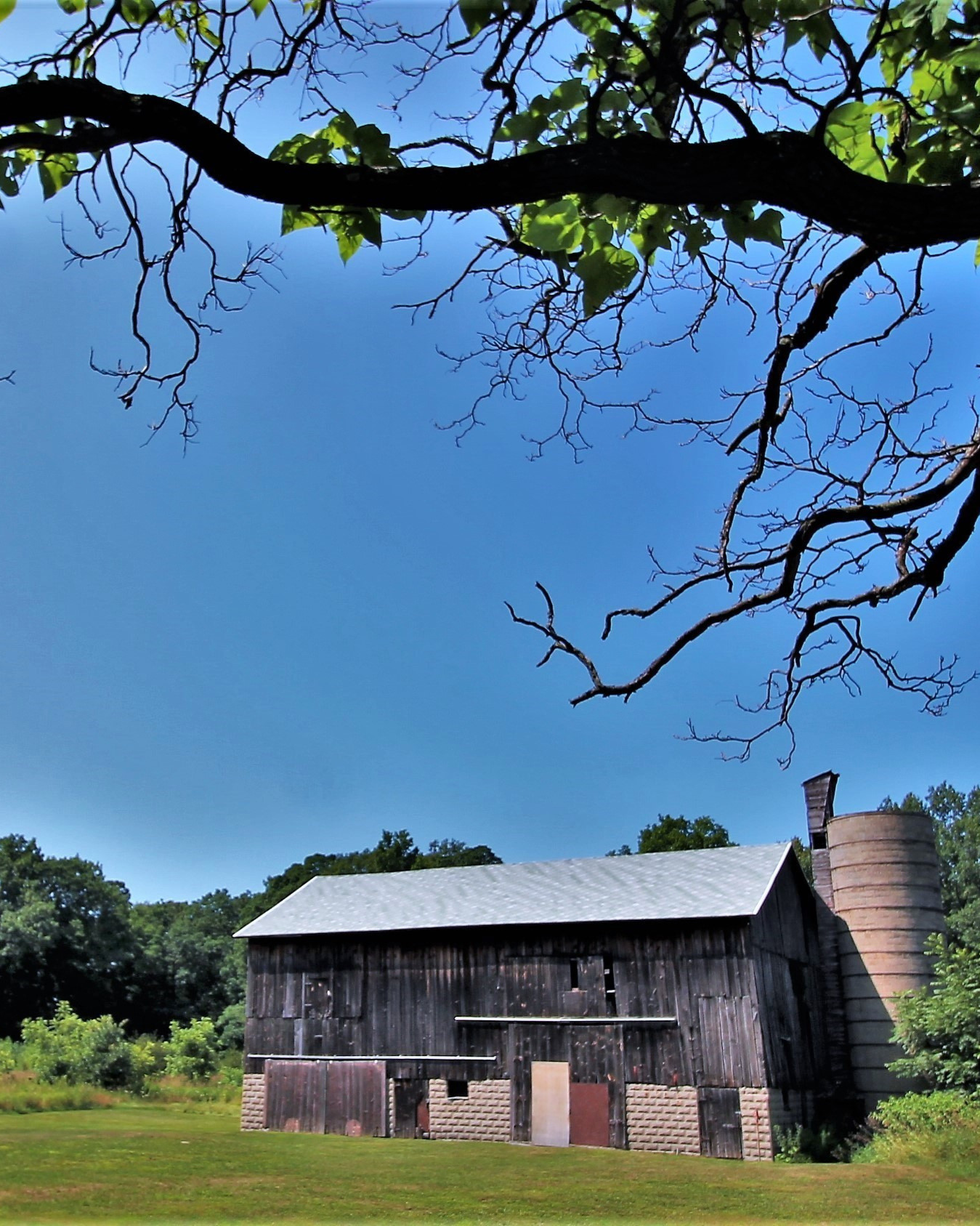
Featured Park: Crockery Creek Natural Area
The 331-acre natural area includes frontage on both the Grand River and Crockery Creek. About two miles of hiking and cross-country ski trails meander along the creek, mature wooded ridges, floodplain forest, open hardwoods, wet meadows and buttonbush swamps. These diverse communities provide habitat for a wide variety of flora and fauna including bald eagles, sandhill cranes, red-headed woodpeckers and river otters. In addition to resident wildlife, the area provides staging areas for many migratory birds.
Learn more
|
|
| |
|
Plant of the Month: Soapwort |
by Bobbi Jones Sabine
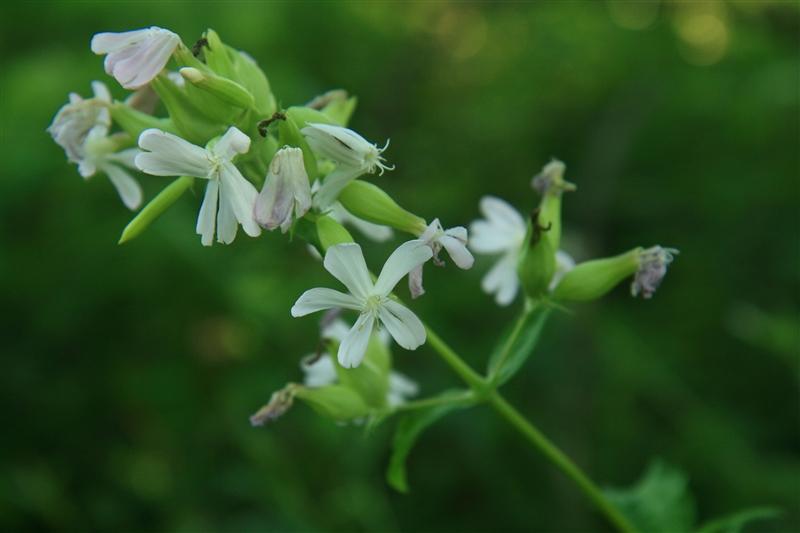
This month we’re going to depart from our usual focus on natives to highlight a thoroughly naturalized non-native wildflower: soapwort (Saponaria officinalis). Although there’s a dozen or more plants that have been used traditionally as soaps and shampoos, this familiar roadside perennial from the carnation family can easily produce a lather when rubbed vigorously in your hands.
Also called bouncing bet, the five-petaled flower is usually pink but can vary from pink to pale pink to nearly white, and occasionally appears as a double flower. It’s been collected in most counties in Michigan with the exception of the thumb area and the western UP. It occurs coast to coast in the U.S. and all across Canada. Soapworts are originally native to Europe and Asia but now grow around the world.
Soapwort has a long history in traditional medicine, not only as a cleansing agent, but as a topical anti-inflammatory application for skin disorders and for poison ivy rash. Taken internally, it has been used as an expectorant and a diuretic. The roots can be toxic to mammals if ingested in large amounts. |
|
|
Photo credit: University of Michigan Herbarium, A.A. Reznicek |
|
|
|
Our Contact Information
*{{Organization Name}}*
*{{Organization Address}}*
*{{Organization Phone}}*
*{{Organization Website}}* |
| | |
You are being sent this email because you are a subscriber.
If you wish to update your Email Preferences or Unsubscribe, click *{{Unsubscribe}}* |
|
|
|
|