September 2026 Newsletter |
|
| |
|
10 Years of Bridging Community to Nature |
In 2026, the Ottawa County Parks Foundation proudly celebrates 10 years of Bridging Community to Nature.
Throughout the year, our e-newsletter will highlight milestones from the past decade, share reflections from members of the Foundation’s founding Board of Directors, and showcase the lasting impact your generosity has made across Ottawa County Parks. Here’s to 10 years and the many more to come. |
2023
In 2023, Foundation supporters helped make meaningful connections between people and nature possible. With Foundation support, the Bill Idema Moraine Nature Segment, connecting Grand River Park and Grand Ravines, was completed, creating new opportunities for visitors to explore and experience these special places.
The Foundation also helped bring new experiences to Ottawa County Parks through grants from the Grand Haven Area Community Foundation and the Idema Foundation. The Grand Haven Area Community Foundation’s grant to the Ottawa County Parks Foundation supported a pilot education program, while a grant from the Idema Foundation helped fund construction of the treehouse at Grand Ravines North.
Together, these investments are expanding access, inspiring learning, and creating memorable experiences in Ottawa County Parks—made possible through the generosity of Foundation supporters and community partners. |
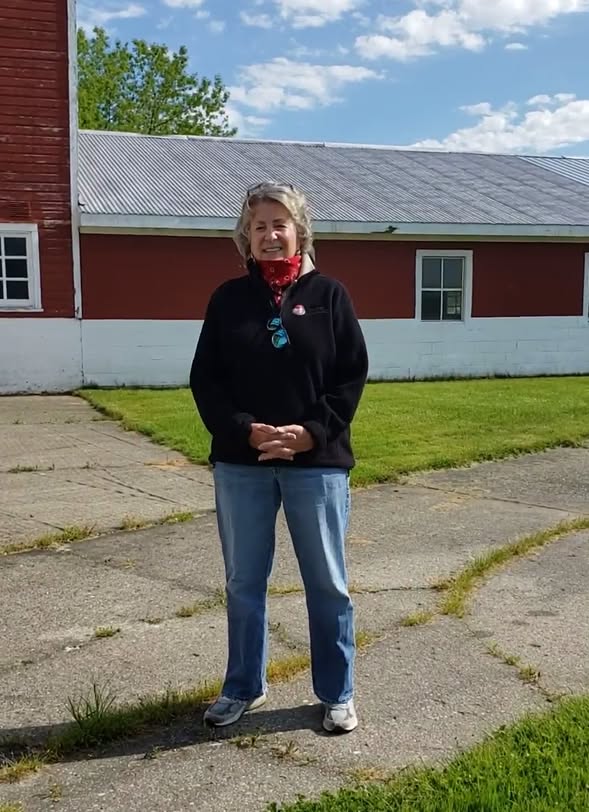
Marjie Viveen What motivated you to start the Foundation?
"Clearly, the need for additional funding. At that time, numerous projects, especially along the Grand River Greenway, were undone or not even fully conceptualized. At the same time, opportunities for land acquisition would arise and send us scrambling to fund. Ottawa Sands is a case in point. Perhaps as important was the fact that parks’ values were consistent with my own."
Marjie Viveen, served on the Foundation Board from its founding through 2022. Marjie helped shape the Foundation during its formative years and has also been instrumental in preserving the rich history of the lands that are now part of Ottawa County Parks.
Read more about Marjie here.
|
|
| |
|
Featured Park: Olive Shores
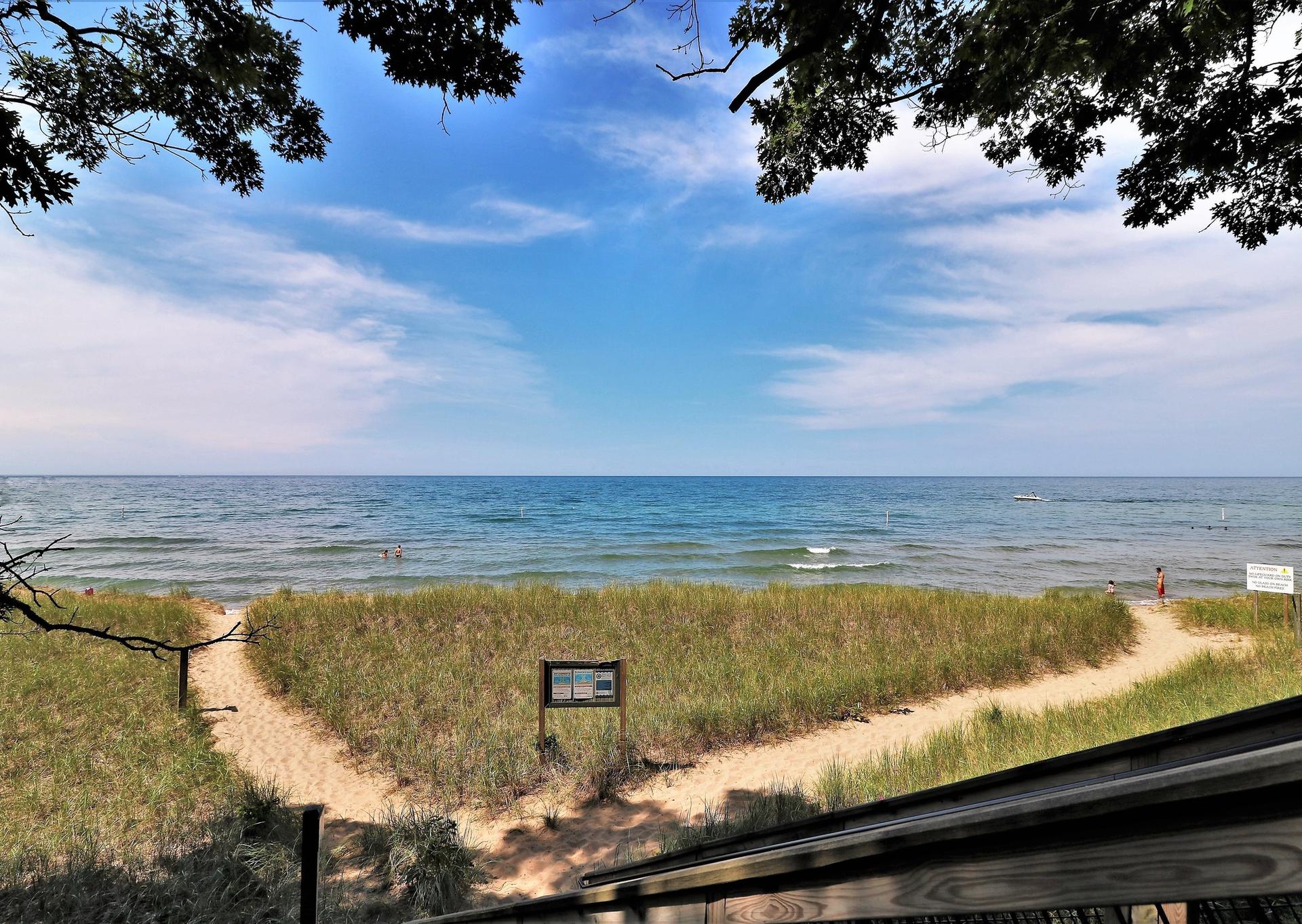
This mostly wooded 20-acre site includes a mature beech-maple-hemlock forest, a steep dune formation, and 738’ of Lake Michigan frontage. Improvements completed in 2012 include a paved parking area, modern restrooms, a barrier-free trail loop, and an extensive series of stairs and boardwalks traversing the dune and providing access to the sandy beach. Decks provide seating and views of Lake Michigan and host a display highlighting the property as the site of a scene from the Tom Hanks movie, “Road to Perdition.”
Learn more
|
|
| |
|
Plant of the Month: Hog-peanut |
by Bobbi Jones Sabine
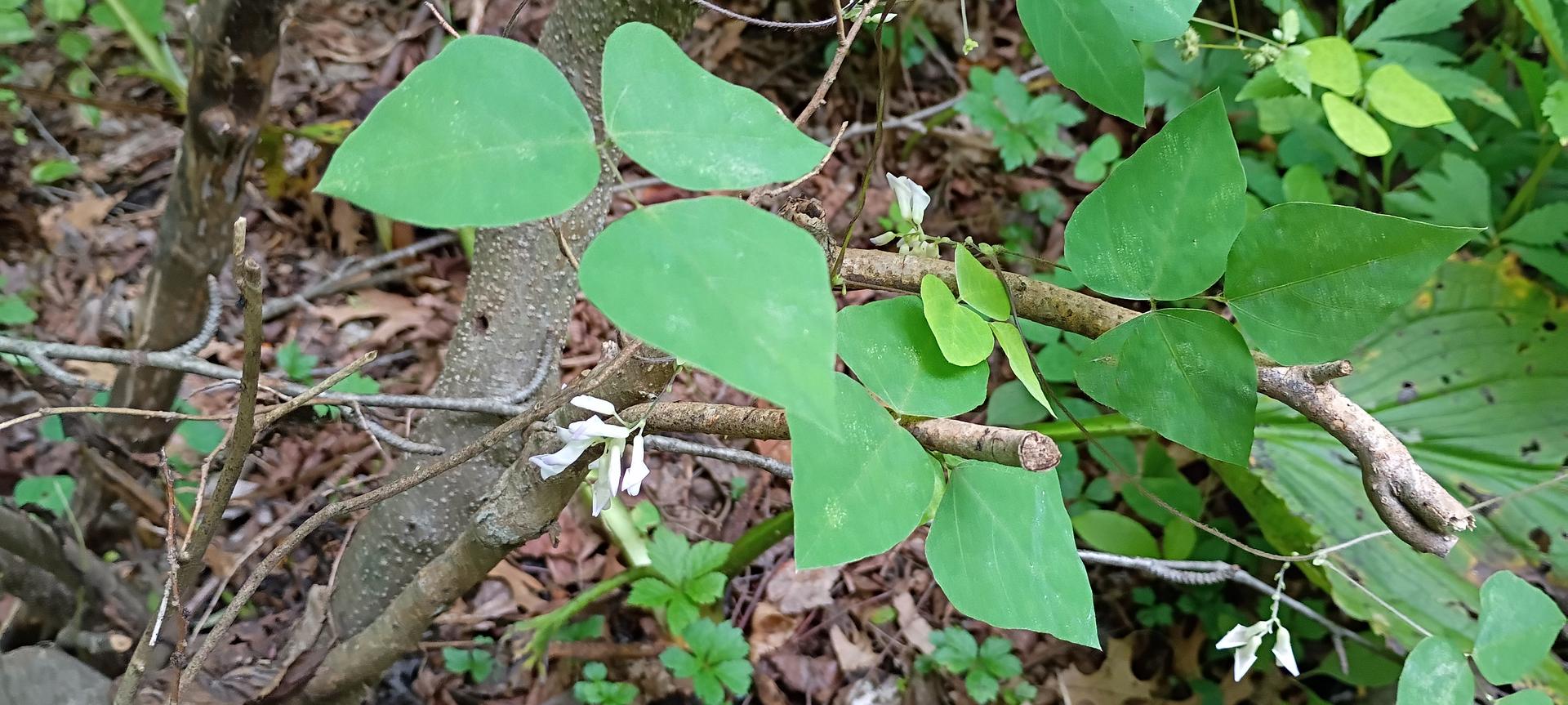
Hog-peanut (Amphicarpaea bracteata) is a low-growing vine that can be found throughout our state in open forests and thickets, ranging from upland to lowland habitats but preferring cool, damp woodlands. A member of the bean family, it grows throughout the eastern two-thirds of the U.S. and Canada.
Unlike many climbing plants, hog-peanut (also called wild peanut) lacks tendrils and climbs by coiling its stem around neighboring plants. The distinctive alternate, trifoliate leaves are attached to long petioles, and the stems can reach up to 5 or 6 feet during the growing season.
It produces a small clump of white flowers in August and September, but here’s the odd thing about this plant: it is quite unusual in our flora in bearing two types of fruits. Above ground, the flowers produce flattened pods with a few small seeds. But in addition, inconspicuous cleistogamous (self-pollinating) flowers also form at the base of the plant that produce larger, one-seeded fruits at ground level or underground (the "hog-peanut"). Hog-peanut was used in traditional medicine as a remedy for snakebites and a cure for diarrhea. It also was used by some Native American tribes for a digestive aid and a food source, as well as pulverized leaves for a poultice to reduce swelling. The taste of the “hog-peanut” fruit is described more as a shelled garden bean than a peanut. The seed from the upper pods can also be eaten and can be cooked like lentils. |
|
|
Photo credit: Bobbi Sabine |
|
|
|
Our Contact Information
*{{Organization Name}}*
*{{Organization Address}}*
*{{Organization Phone}}*
*{{Organization Website}}*
|
| |
|
You are being sent this email because you are a subscriber.
If you wish to update your Email Preferences or Unsubscribe, click *{{Unsubscribe}}* |
|
|
|
|