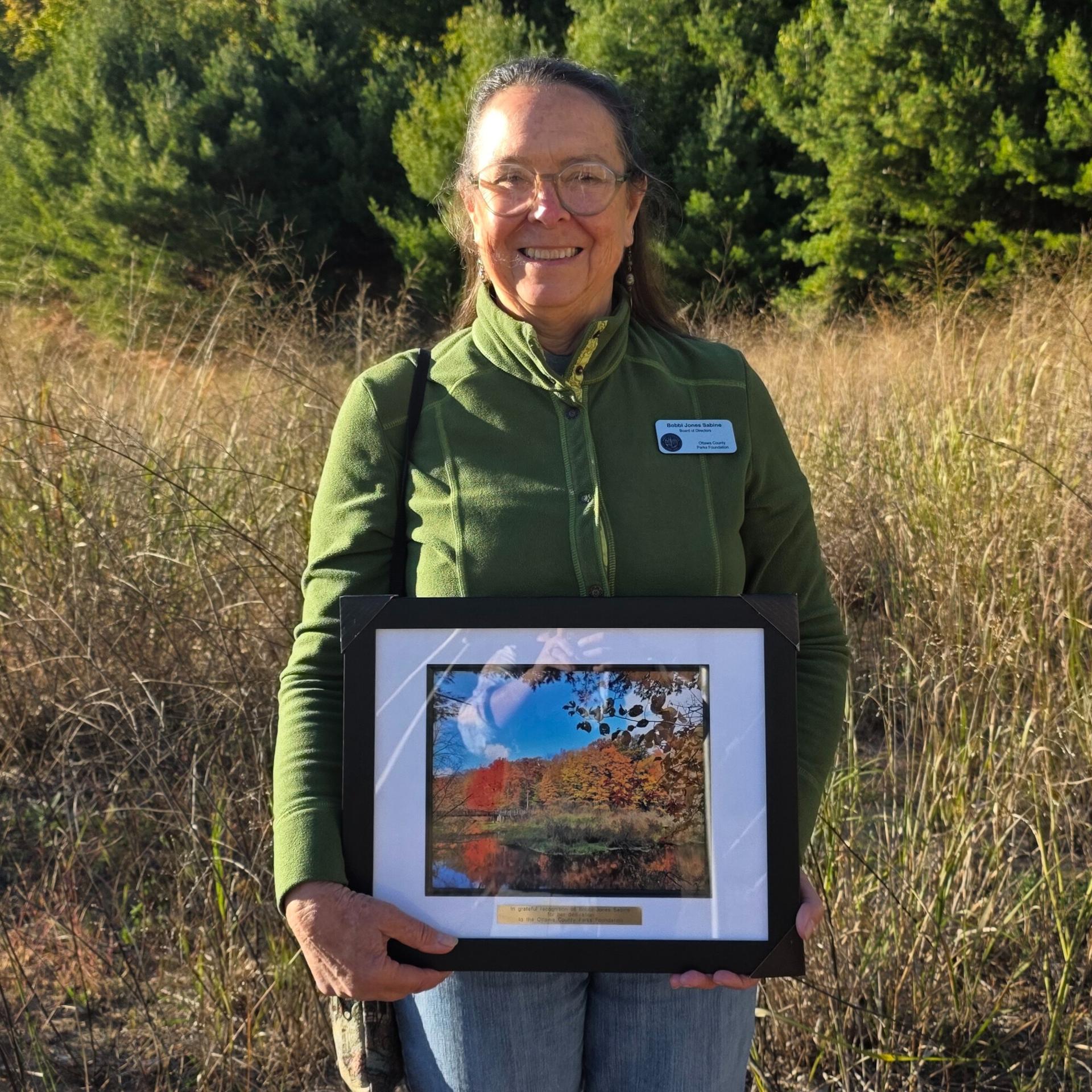
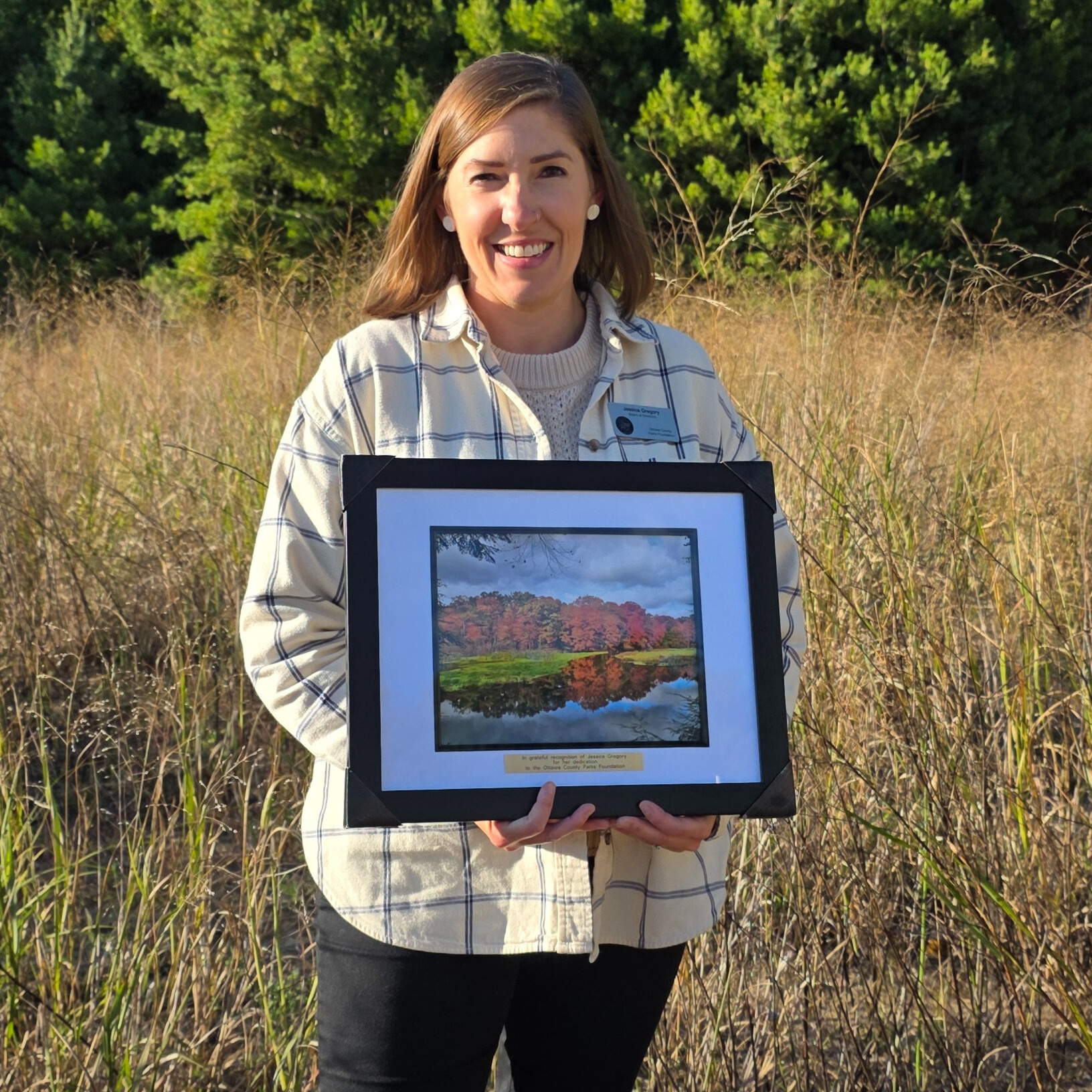
Foundation Board Members: Bobbi Jones Sabine and Jessica Gregory
We extend our deepest gratitude to Bobbi Jones Sabine and Jessica Gregory for their outstanding dedication and service to the Ottawa County Parks Foundation.
Bobbi joined the Board of Directors in 2016, during the early days when we were still pursuing our 501(c)(3) status. Over the years, she has played a vital role in the growth and success of the Foundation. Bobbi has served as Vice President and led as President from 2019 to 2022. Her leadership extended to several committees—she served on the Finance & Investment Committee and the Communications Committee, where she also held the role of Chair. Beyond her board roles, Bobbi has generously supported events like our annual Breakfast/Lunch at the Park as a table host and initiated the Piece Together Parks event in 2019 to further support our mission. Bobbi represents the Foundation on a weekly radio segment on WAWL. She also contributes her talents to this newsletter with her Plant of the Month. She is also a past member and past President of the Ottawa County Parks Commission.
Jessica joined the Board in 2023, bringing with her a strong background in media and communication. Even before becoming a board member, she contributed significantly through her work on the Communications Committee, producing several impactful videos for the Foundation. She now serves as the Chair of the Communications Committee, continuing to shape how we share our mission with the community. She is one of the editors for this newsletter. Jessica also worked for OC Parks as an outdoor education.
Bobbi and Jessica have each made a lasting impact on our organization. Their dedication, creativity, and leadership have helped bring us to where we are today.
Thank you, Bobbi and Jessica, for your unwavering commitment to Ottawa County Parks and the Ottawa County Parks Foundation!
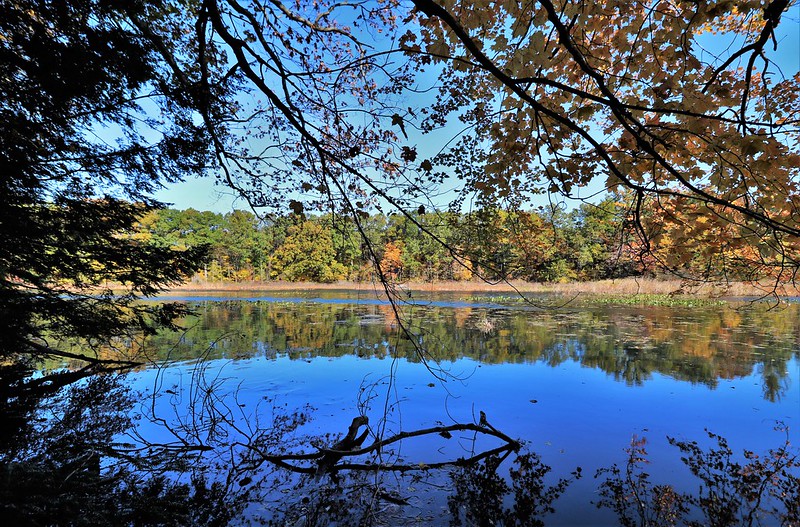
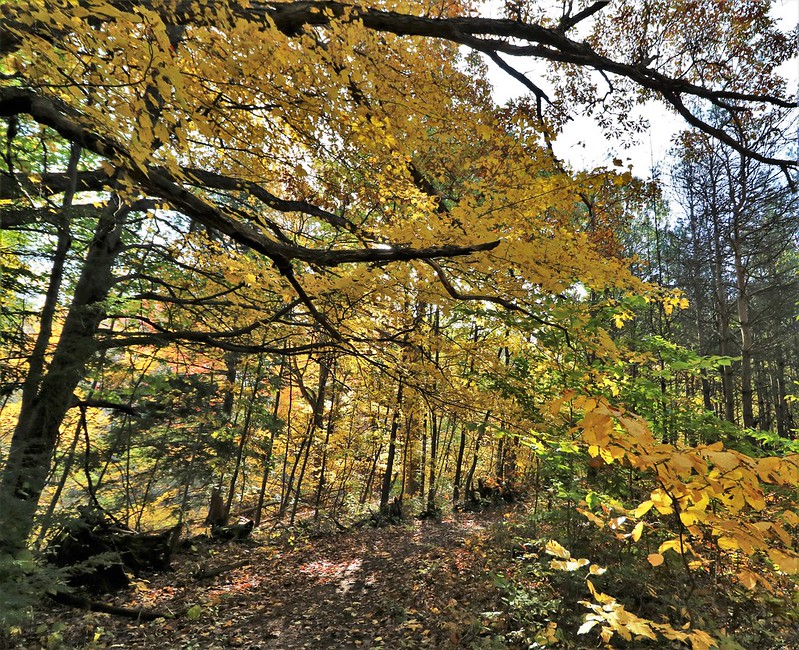
Featured Park: Stearns Creek Park
Located at the headwaters of the Grand River’s Stearns Bayou, Stearns Creek Park is a key piece of Ottawa County’s Grand River Greenway, a system of protected natural lands along the river and its tributaries. With over a mile of creek frontage, diverse wetlands, picturesque ravines, and tracts of older growth forests, Stearns Creek Park is an ecological treasure for both recreation and wildlife. Although much of its 146 acres was worked for decades, the wetlands and shoreline are among the highest quality in the Ottawa County park system. Even the original old pine plantations on the south side of the creek harbored uncommon prairie plants when the land was purchased. These pine plantations have been thinned or removed to begin to restore a diverse habitat of scattered trees and abundant native grasses and wildflowers known as Oak savanna.
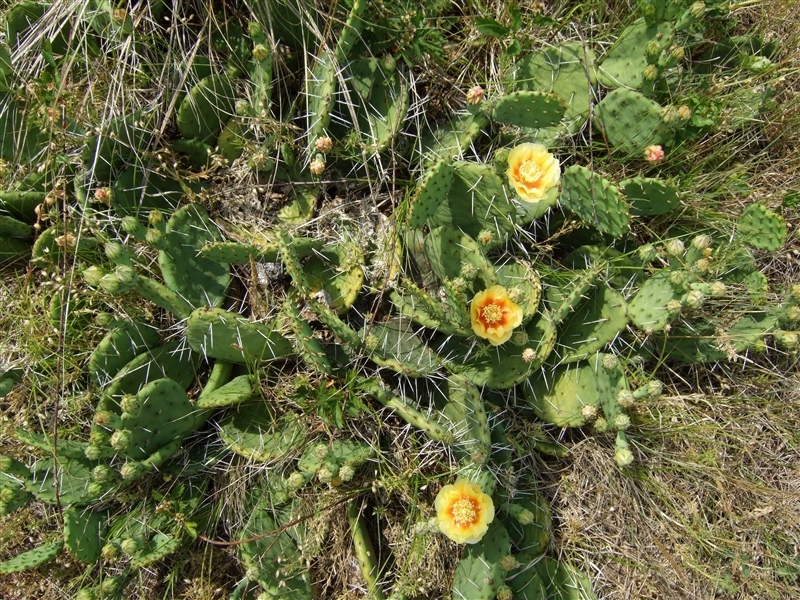
Many people are surprised that Michigan has a native cactus. Prickly pear (Opuntia cespitosa) is found mostly in 13 counties in the western half of the lower peninsula, as far north as Benzie County. Its natural range is believed to be restricted to the southwest corner of the state, but northern populations and one in Monroe County are found in cemeteries and old homesteads, presumably spread through cultivation.
Our prickly pear has large, showy yellow flowers and fleshy reddish fruits that lack the prominent spines found on the rest of the plant (thus neither prickly nor very pear-like). It tends to stay low to the ground, and can be found in sandy fields, prairies, open oak forest, open dunes, and sometimes in disturbed ground. One large population thrives by the roadside on Business 31 entering the south side of Muskegon.
Prickly pear is also known as nopal, opuntia, sabra, or paddle cactus. Found throughout the Americas, the genus Opuntia contains nearly 150 distinct species of prickly pear and 15 identified hybrids.
The fruit and leaves are edible: young pads are stripped of spines, boiled, and eaten as a vegetable. It is promoted for treating diabetes, high cholesterol, obesity, and hangovers. It’s also touted for its antiviral and anti-inflammatory properties. Some preliminary evidence published by the Mayo Clinic shows that prickly pear cactus can decrease blood sugar levels in people with type 2 diabetes. Some research also suggests that prickly pear cactus extract may lessen the unpleasant effects of a hangover, possibly due to its anti-inflammatory effects.