This year’s newsletter series focuses on the dedicated Parks staff who work tirelessly to maintain, manage, and enrich these treasured spaces. The Ottawa County Parks staff is made up of a diverse group of professionals, each bringing unique skills and backgrounds to their roles. From park operations to natural resource staff to educators and parks planners, their passion for the environment and commitment to visitor experience create an inviting atmosphere for all.
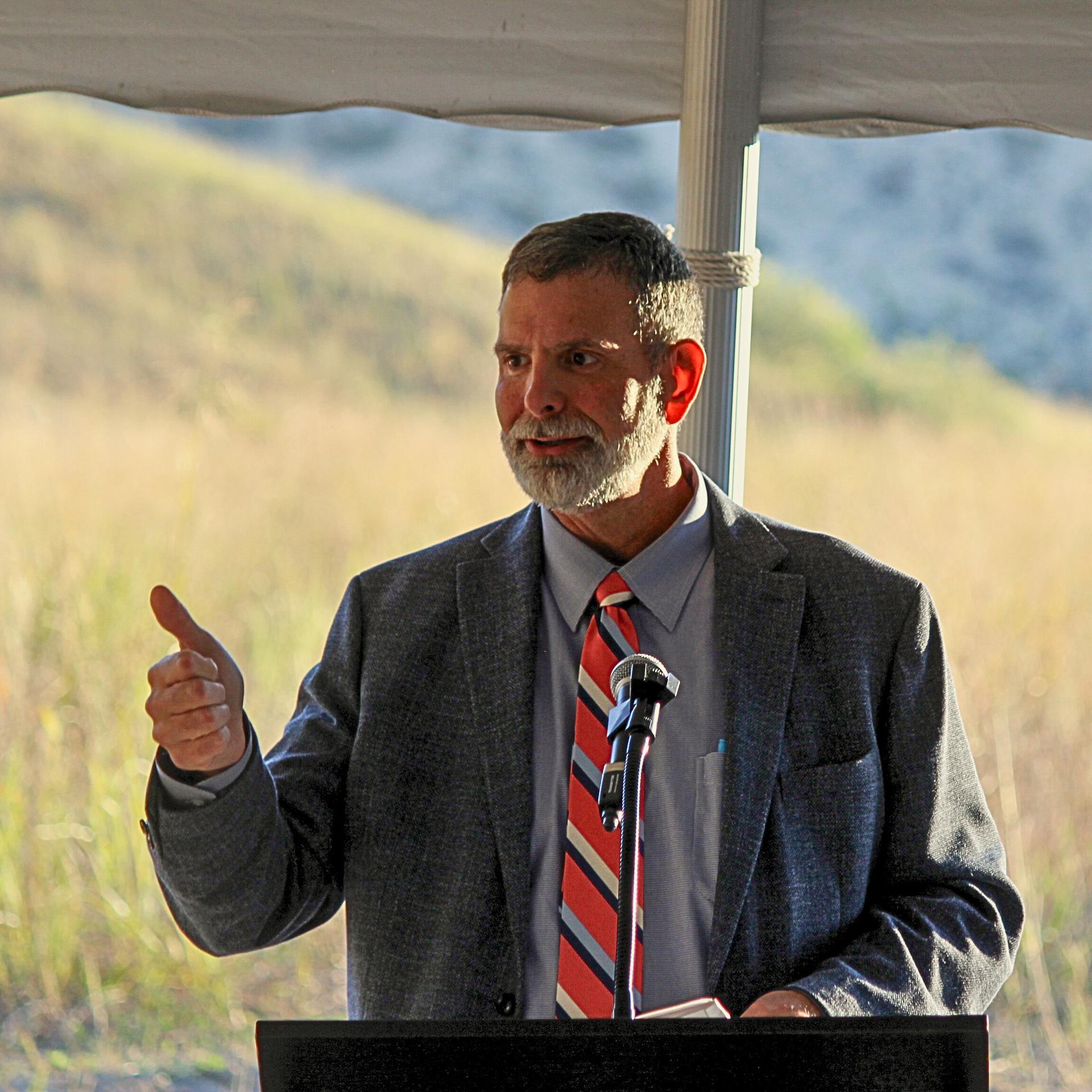
Jason Shamblin, Parks Director
I joined Ottawa County Parks in 2019, so I’ve been here just over six years. It’s been an incredible period of growth, change, and opportunity for our park system.
What is your current role with Ottawa County Parks?
I serve as Parks & Recreation Director, responsible for leading our Commission, staff, and volunteers, stewarding more than 7,500 acres of land and 150 miles of trails across the County.
What drew you to working for parks?
Since childhood, the outdoors has always been a grounding place for me. My career began teaching outdoor education at a YMCA camp, and I’ve carried that passion for connecting people to nature throughout every step of my professional journey. I believe parks are not just about land, they’re about people, community, and creating opportunities for everyone to connect with nature.
Can you explain what you do in that role? What are your day-to-day tasks?
My days vary widely, some are focused on long-term strategy and budget planning, others on partnerships, land acquisitions, or supporting staff. I spend time working with staff across all divisions, supporting our Commission, and ensuring that our projects and initiatives align with our strategic plan. No two days are the same, which keeps the role exciting.
What is the best part of your job? OR What was a memorable experience?
The best part of my job is seeing the direct impact parks have on people’s lives. A particularly memorable moment was the reopening of Ottawa Sands. In the days that followed, I saw numerous couples, many with one partner facing mobility challenges, exploring the park together in ways that hadn’t been possible before. Creating opportunities for the entire community to experience nature is a powerful reminder of why this work matters.
What is your favorite Ottawa County Park? What is your favorite season to visit that park?
That’s a tough question because each park has its own magic—it’s impossible to choose just one. My favorite Lake Michigan Park is North Beach. We live only a couple of miles away, and my family and I are regular visitors. Even when the parking lot is full, the beach itself always feels spacious and welcoming.
My favorite non–Lake Michigan Park is Burr Oak Landing – West. While it’s classified as an open space, it offers a beautiful loop trail system along the bluff above the Grand River. With its big woods and ravines, it reminds me of where I grew up in southeastern Ohio.
My favorite time to visit parks are in September and October. You still get glimpse of summer, but the colors are starting to change.
What is a hidden gem in Ottawa County Parks?
I believe Port Sheldon Natural Area is a true hidden gem. At 440 acres, it offers a beautiful mix of woods, dunes, and Ten Hagen Creek. You can easily get a couple miles hiking in without repeating a route, especially if you’re willing to explore off the main trail. With few amenities and no large crowds, it’s a peaceful place to slow down, enjoy nature, and even hear whip-poor-wills in the evening.
I feel privileged every day to work with such talented staff, volunteers and supportive community. The future of Ottawa County Parks is bright, and I’m excited for the new opportunities we’re creating together, from expanded trails to innovative programming to the preservation of unique natural areas for generations to come.
Jason Shamblin
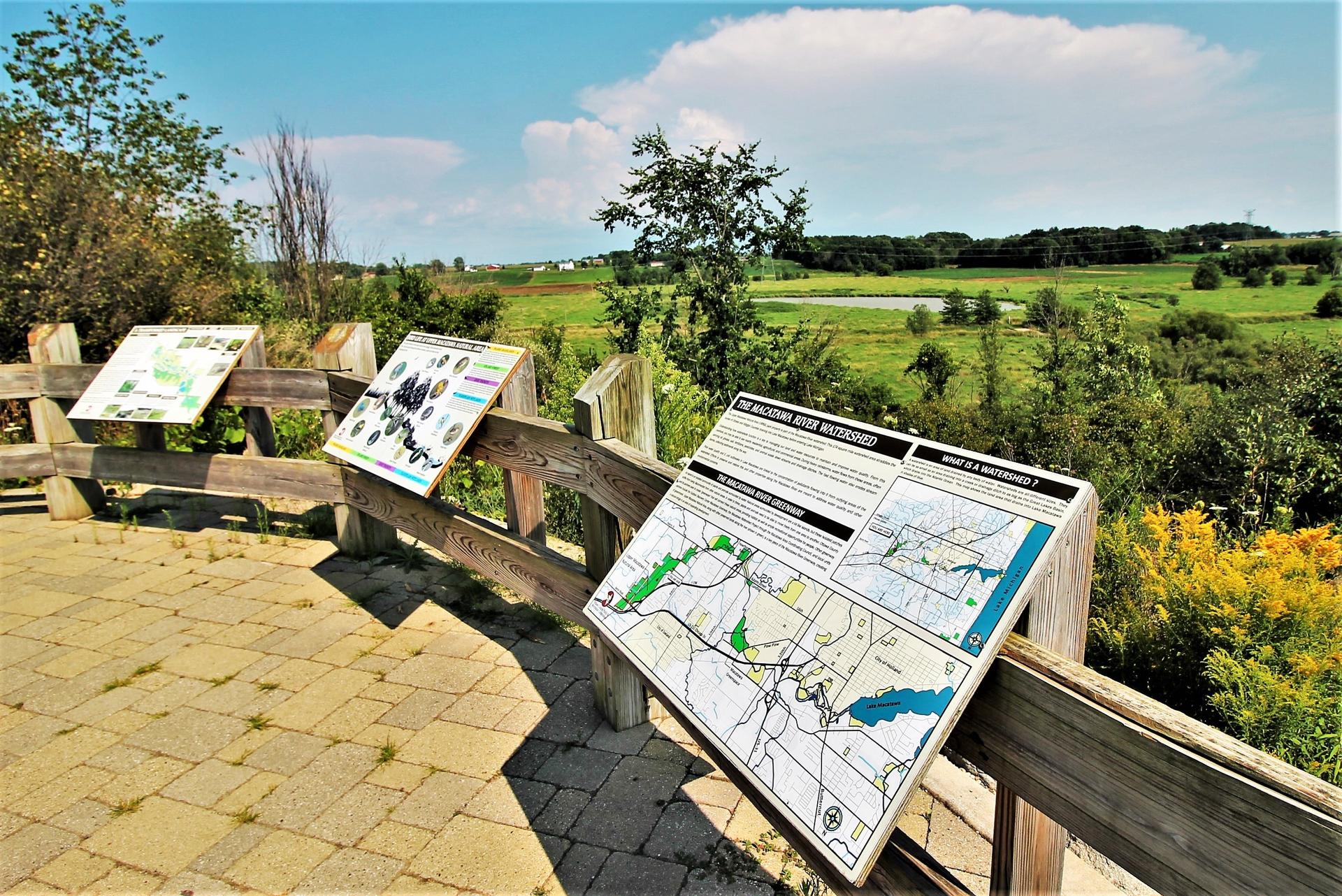
Featured Park: Upper Macatawa Natural Area
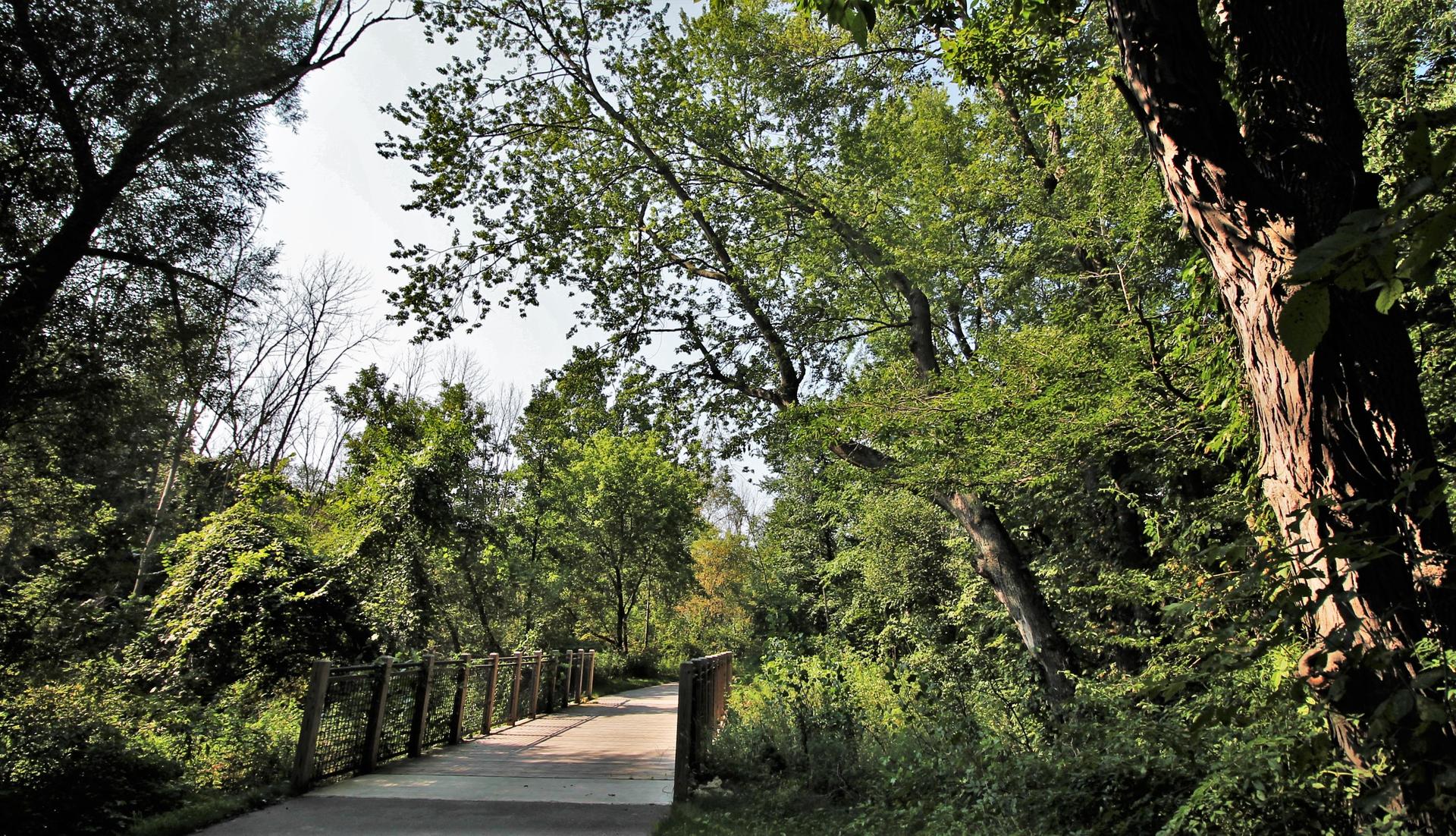
The 612-acre property features stunning bridges and is popular among bikers, hikers, runners, and birders. The bike path running through the park connects to Byron Road’s Fred Meijer Kenowa Trail which leads to Kent County on the north side and to the Adams Street’s bike path, which runs to the lakeshore, on the south side. The single-track mountain bike trails are maintained by dedicated volunteers and are some of the best trails in the area. Visitors will find a variety of habitat, including forests, grasslands, and wetlands, that is home to diverse wildlife.
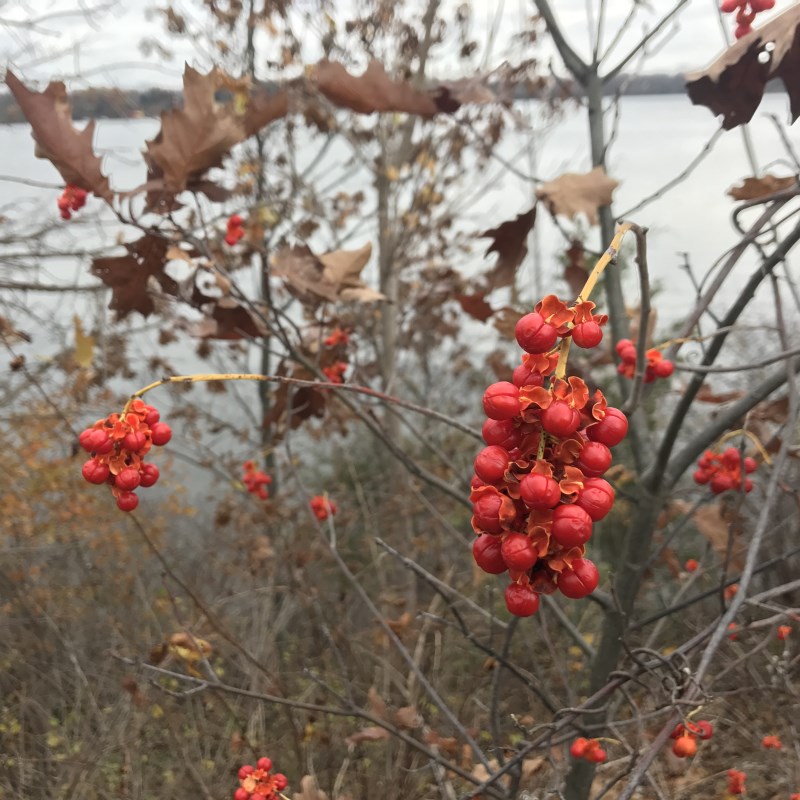
American bittersweet (Celastrus scandens) is a native climbing vine found throughout our state, from Monroe County all the way up to Copper Harbor. It’s adaptable to a wide range of habitats, from shorelines, dunes, thickets, streambanks, and forests to dry or moist open ground.
It’s most noticeable in the fall, after leaves drop, for its bright orange berries. Also known as climbing bittersweet, it is easily confused with its notorious, non-native relative, oriental bittersweet, an aggressive, invasive vine. One way to distinguish them is that the fruit on the native bittersweet is in a clump at the end of each branch, while the invasive variety has fruits all along the length of the vine.
American bittersweet is touted as having many potential health benefits. It is used medicinally for treatment of skin issues such as acne, warts, ulcers, eczema, and boils, and for pain relief. It is reputed to relieve respiratory issues like asthma, bronchitis, and coughs, as well as liver ailments. It’s used for digestive issues like diarrhea, dysentery, and as a diuretic and emetic. Some studies suggest it may be effective in inhibiting growth of cancer cells. The roots were used by Native Americans to treat tuberculosis, venereal disease, respiratory ailments, and gynecological issues. However, it is important to note that parts of the plant, especially the berries can be toxic if consumed in large quantities.
Bittersweet is often collected for use in decorations such as outdoor wreaths. If you use the non-native bittersweet, be careful not to spread the seeds when you dispose of the wreath.