This year’s newsletter series focuses on the dedicated Parks staff who work tirelessly to maintain, manage, and enrich these treasured spaces. The Ottawa County Parks staff is made up of a diverse group of professionals, each bringing unique skills and backgrounds to their roles. From park operations to natural resource staff to educators and parks planners, their passion for the environment and commitment to visitor experience create an inviting atmosphere for all.
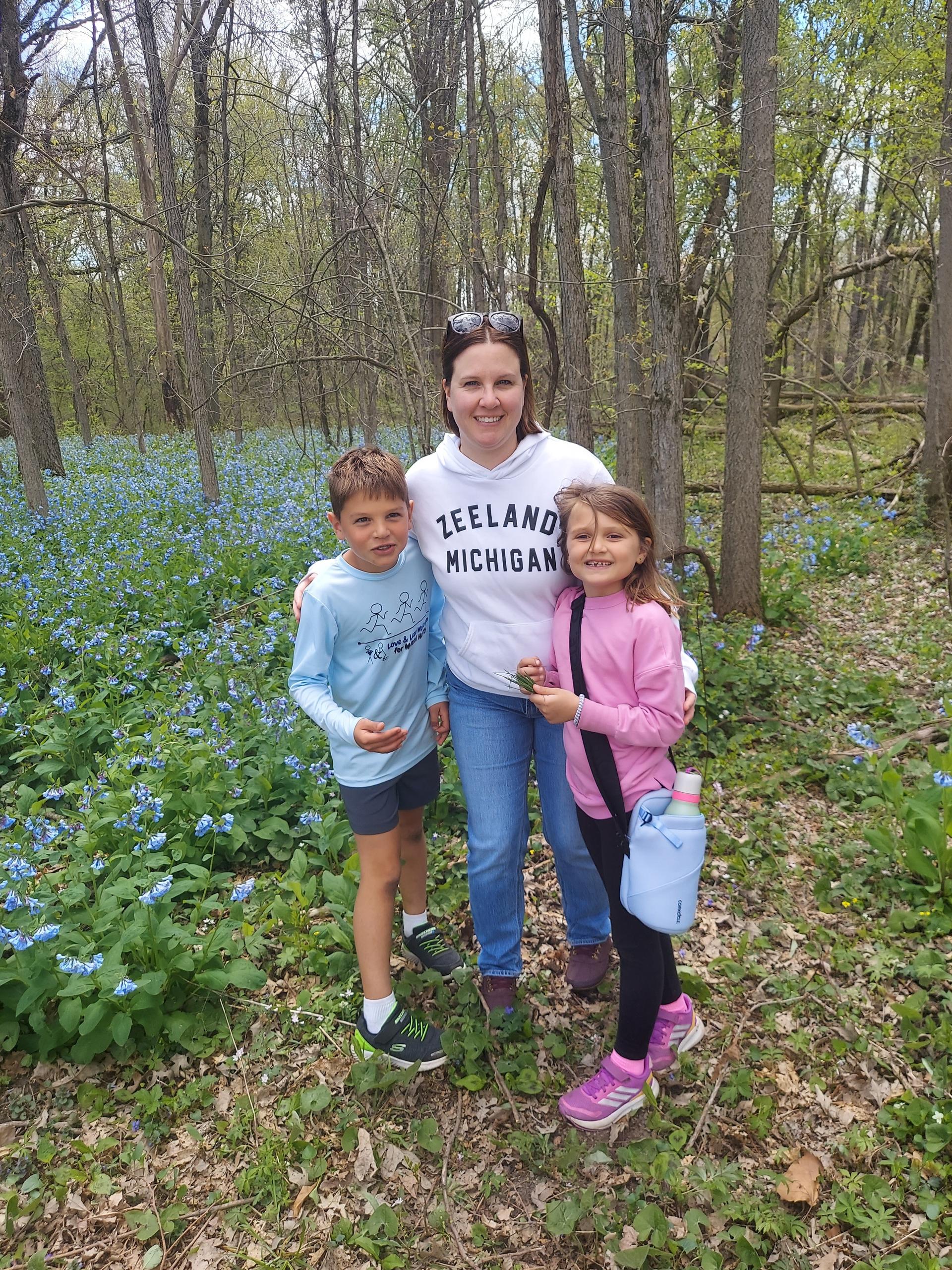
Jennifer Sharabidze, Senior Secretary
Jennifer has been with Ottawa County Parks since 2021.
What drew you to working for Parks?
My grandfather was a huge proponent of conservation and served many years on the board of directors for Michigan United Conservation Clubs, so I was raised hearing about the importance of conservation. Later in life, after several years living overseas, I returned to Ottawa County and found myself spending a lot of time in the parks with my family. My appreciation for the quality of land being preserved by Ottawa County Parks and Recreation Commission led to me becoming a volunteer, and later an employee.
What do you do in this role? What are your day-to-day tasks?
My job is mostly administrative, including some accounting, customer service, and administration of the reservation software. I also prepare and distribute the monthly Parks Commission meeting documents.
What is the best part of your job?
As Senior Secretary, I unfortunately don’t spend a lot of time in the parks, but the best part is that I get to support the incredible staff who do!
What is your favorite Ottawa County Park and season to visit?
It’s hard to choose, but I think I can safely say that Upper Macatawa Natural Area is my favorite. It’s the closest park to my home, and I love that it serves so many purposes for my community. Many people use the park for walking/running on the paved path, mountain biking, hiking, hunting and bird watching. My family and I love to bike to and through the park. I also appreciate the extensive efforts by OCPRC to “re-wild” this former farmland. Late summer is a great time to visit because there are so many native flowers blooming along the paved path, thanks to efforts by parks Natural Resources staff and volunteers!
What is a hidden gem in Ottawa County Parks?
A really great park that may be less known by those of us who live on the southern end of Ottawa County is Grose Park. It’s located way up in the northeast corner of the county and is a great park for families with young kids. There is a large playground, tons of picnic tables, modern restrooms, and a small swimming beach on Crockery Lake. There are also trails through the woods with small loops, making easy hiking for children. Load up the kids and pack a picnic lunch – you could easily spend a day there!
Jennifer Sharabidze
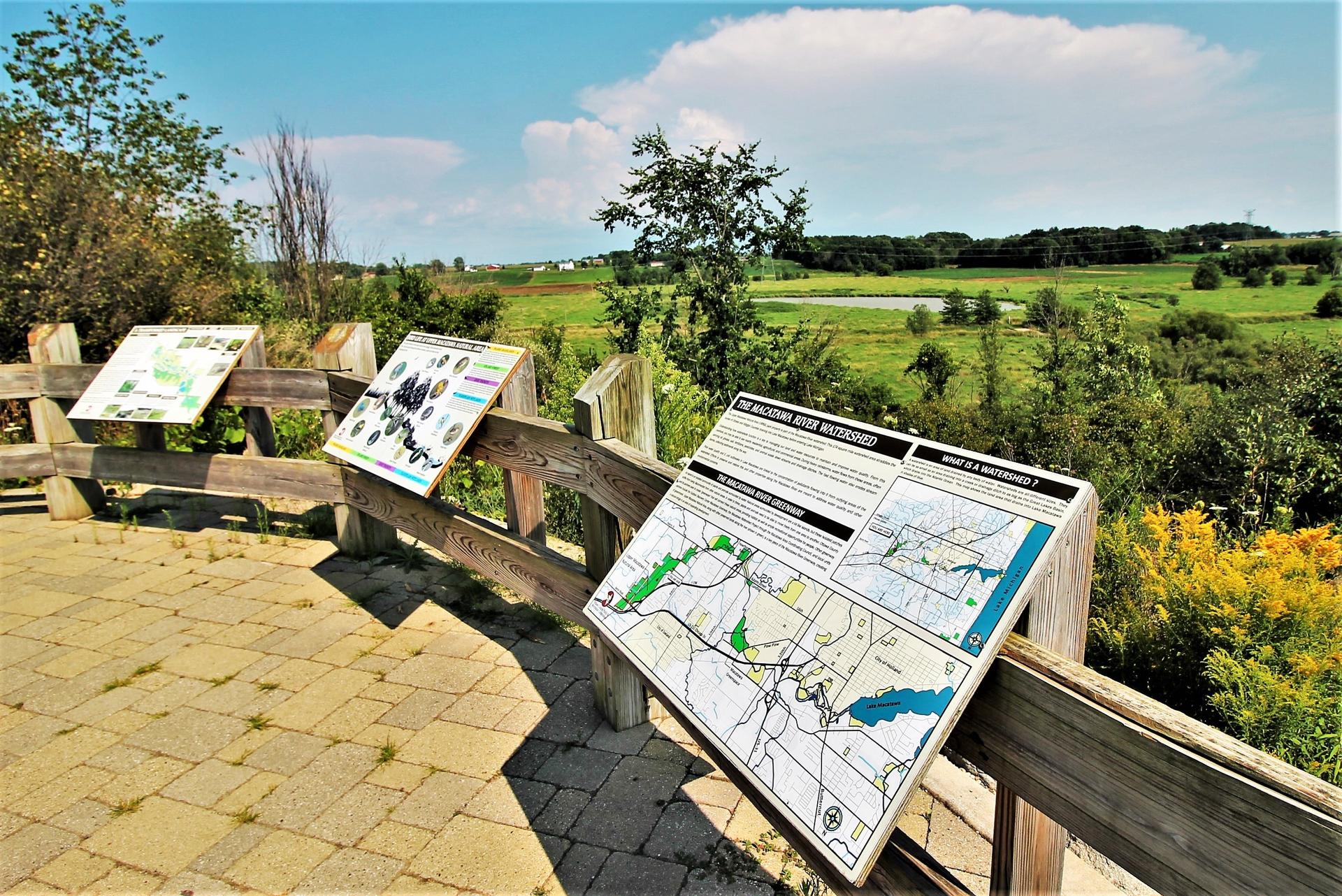
Featured Park: Upper Macatawa Natural Area
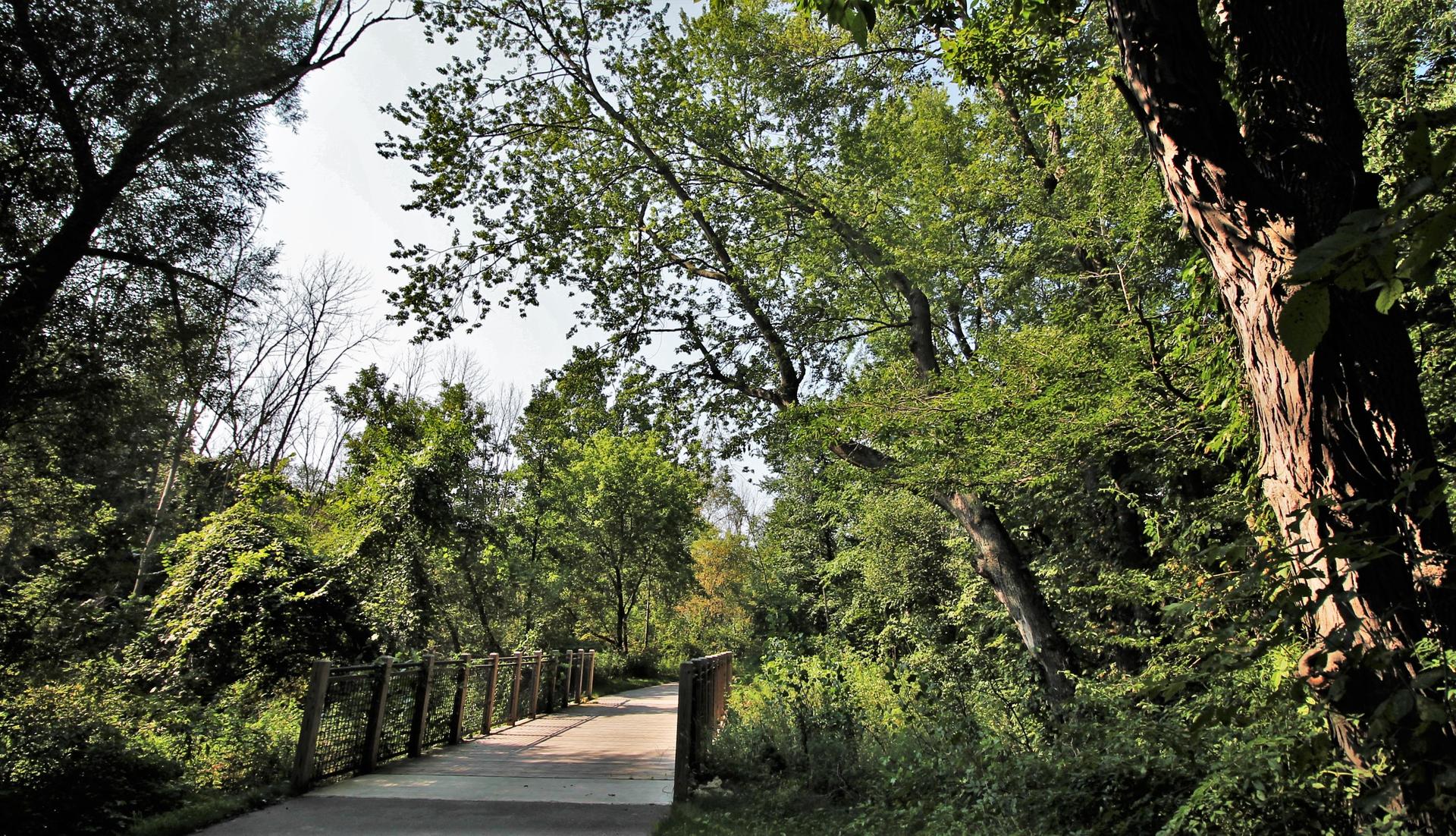
The 612-acre property features stunning bridges and is popular among bikers, hikers, runners, and birders. The bike path running through the park connects to Byron Road’s Fred Meijer Kenowa Trail which leads to Kent County on the north side and to the Adams Street’s bike path, which runs to the lakeshore, on the south side. The single-track mountain bike trails are maintained by dedicated volunteers and are some of the best trails in the area. Visitors will find a variety of habitat, including forests, grasslands, and wetlands, that is home to diverse wildlife.
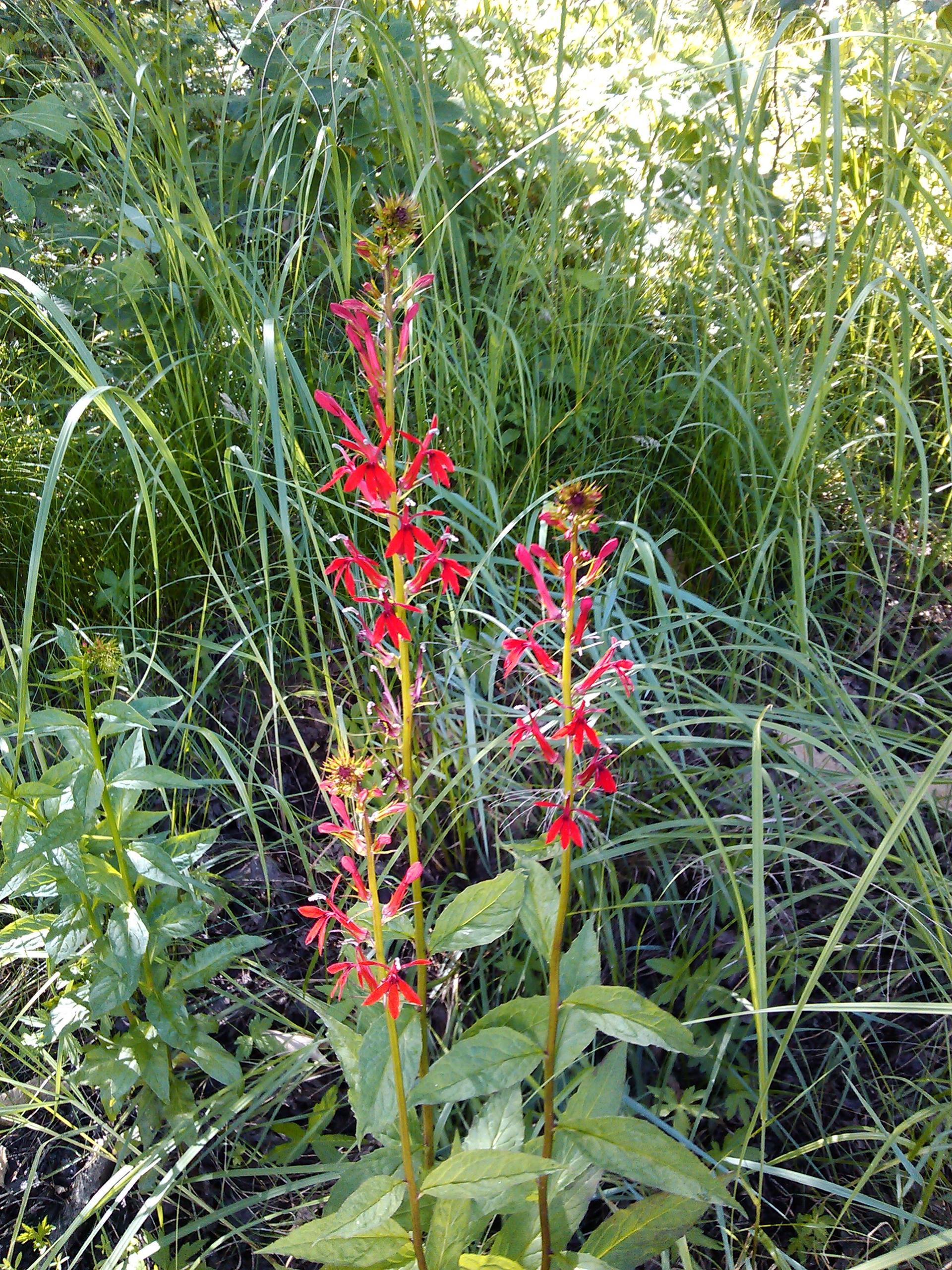
Cardinal flower (Lobelia cardinalis), also called red lobelia, is one of seven different lobelias in Michigan, but by far the most showy. Its intense red flowers are seen in late summer in damp areas, often along streams or rivers. It occurs very frequently throughout the lower peninsula but is not often found in the U.P. – there are only four U.P. records and all are quite old.
With a long corolla tube, the flowers are most often pollinated by hummingbirds, but bees and swallowtail butterflies may also visit and gather nectar through slits on the side of the corolla. It can get up to 3 feet tall or more.
The plant is considered to be toxic to humans and pets if consumed. Despite the toxicity, the finely ground roots of this native wildflower were once traditionally used by Native Americans as aphrodisiacs and love potions, possibly due to its bright red color. All parts of the plant should be handled with care and used only by experienced professionals.
You can try to grow this stunning flower in a garden, but conditions must be just right or it won’t persist beyond a season or two. It needs partial shade and rich, consistently damp soils with a lot of organic material.