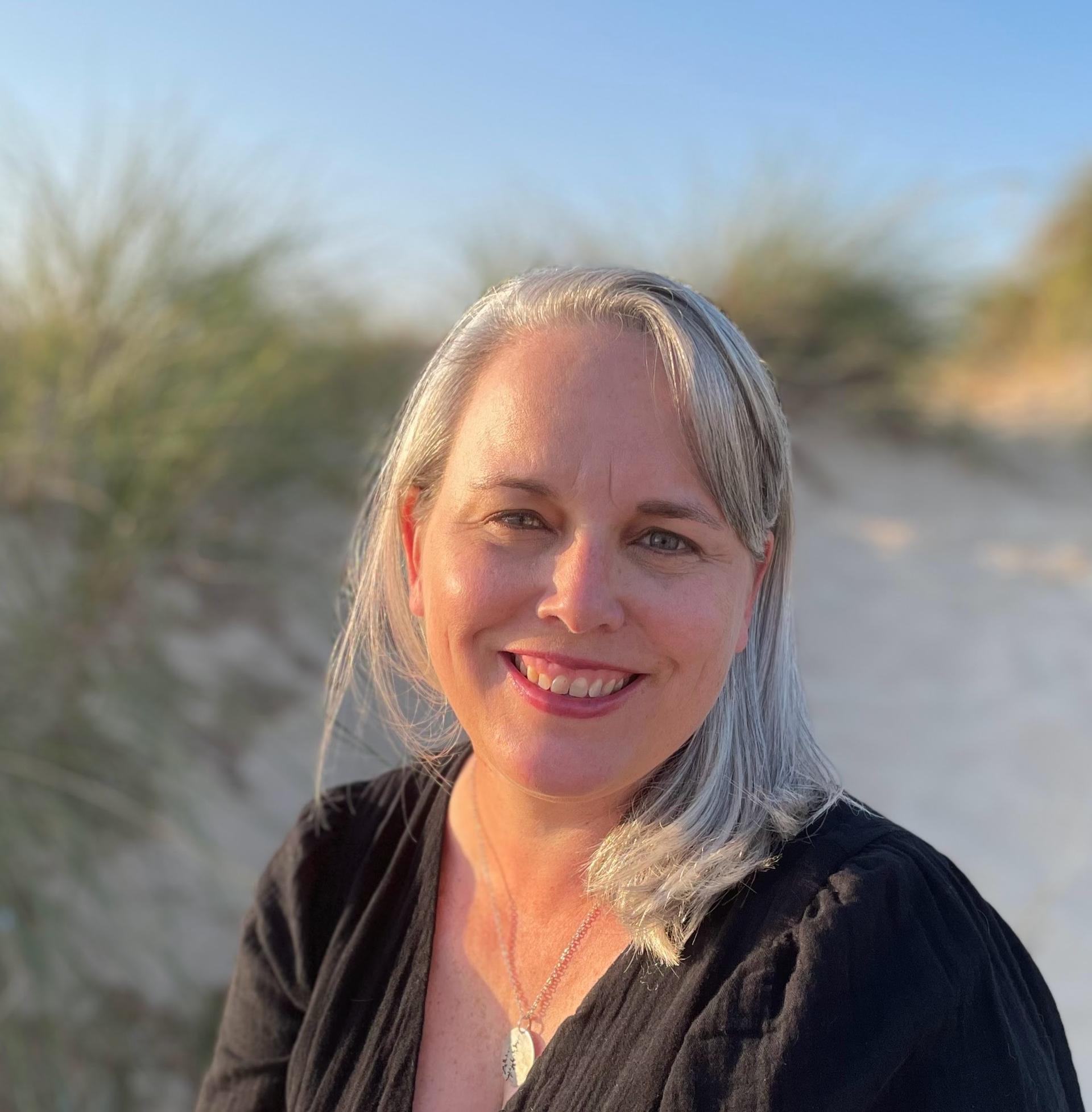
Meet Katie Clifford Wright, The New Coordinator of Fund Development and Major Gifts
We are excited to welcome Katie Clifford Wright to the Ottawa County Parks Foundation team!
Katie grew up in Grand Rapids and spent her summers exploring the same places that are now part of Ottawa County Parks. A love for nature has shaped her entire career.
Over the years, Katie has worn many hats in the world of public lands. She started out as an interpretive ranger with the U.S. Forest Service in California and later became an educator at Cuyahoga Valley National Park in Ohio, where she lived for 25 years. While raising her family there, she also led education and public programs with the Conservancy for CVNP, connecting tens of thousands of students and visitors to the park each year. Much of her work included fundraising to ensure those experiences were accessible to everyone.
In 2022, Katie returned to West Michigan and settled in the Grand Haven/Spring Lake area. Since then, she’s been consulting with national organizations like the Association of Nature Center Administrators and the National Park Friends Alliance helping parks across the country with leadership training and education initiatives. But as Katie puts it: “I really missed being more involved in the park system in my own community.”
Katie first got involved with the Ottawa County Parks Foundation through our Communications and Donor Engagement Committees. When the Coordinator of Fund Development and Major Gifts position opened up, it was the perfect chance to bring her skills and passion home.
“I am blown away by the amazing work of Ottawa County Parks and the Parks Foundation,” Katie says. “I’m grateful to join such a dynamic team, and I can’t wait to help support and grow this incredible park system in one of the most beautiful places on Earth.”
Please join us in giving Katie a warm welcome. We’re thrilled to have her on board!
Featured Park: North Ottawa Dunes
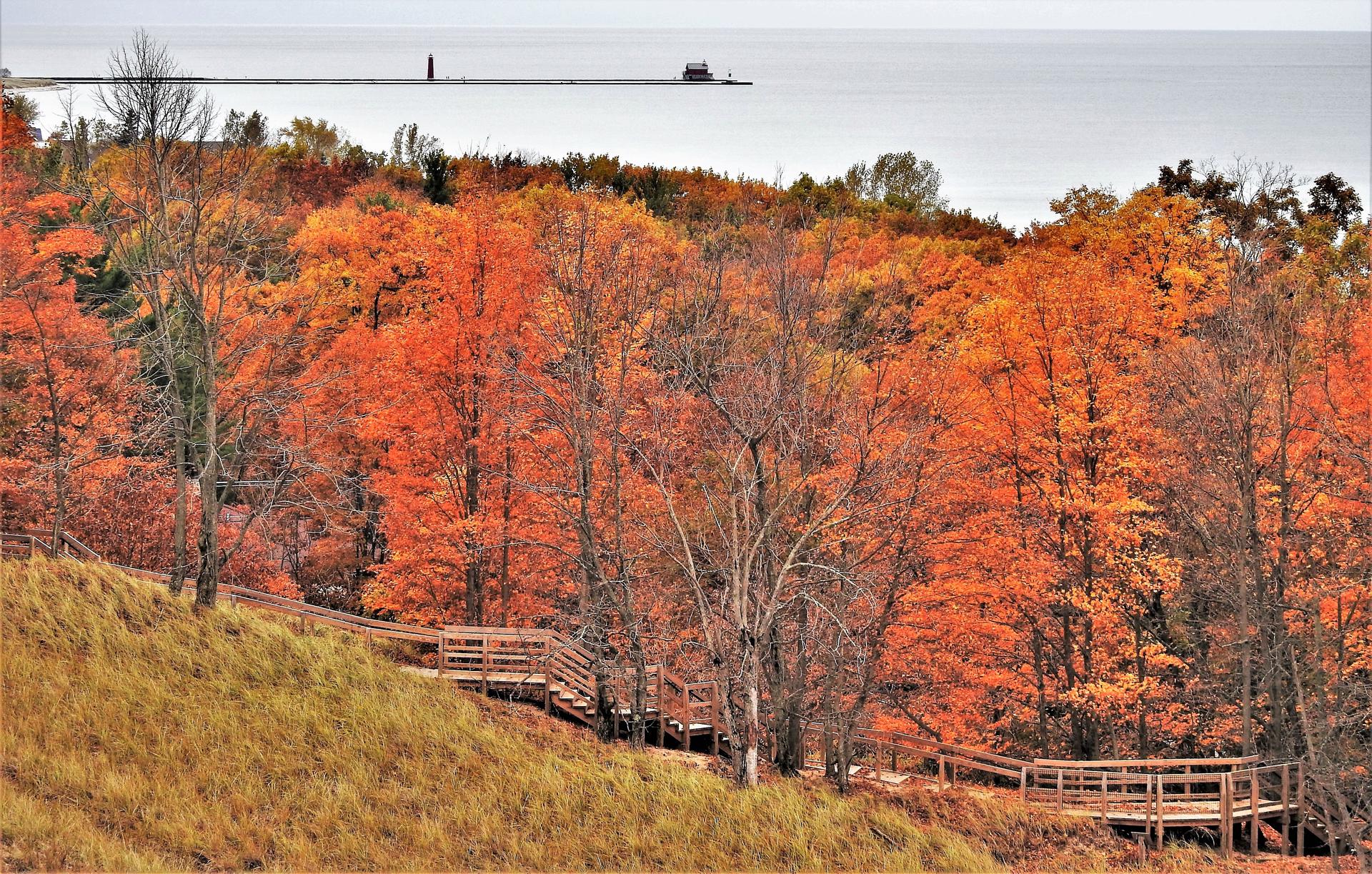
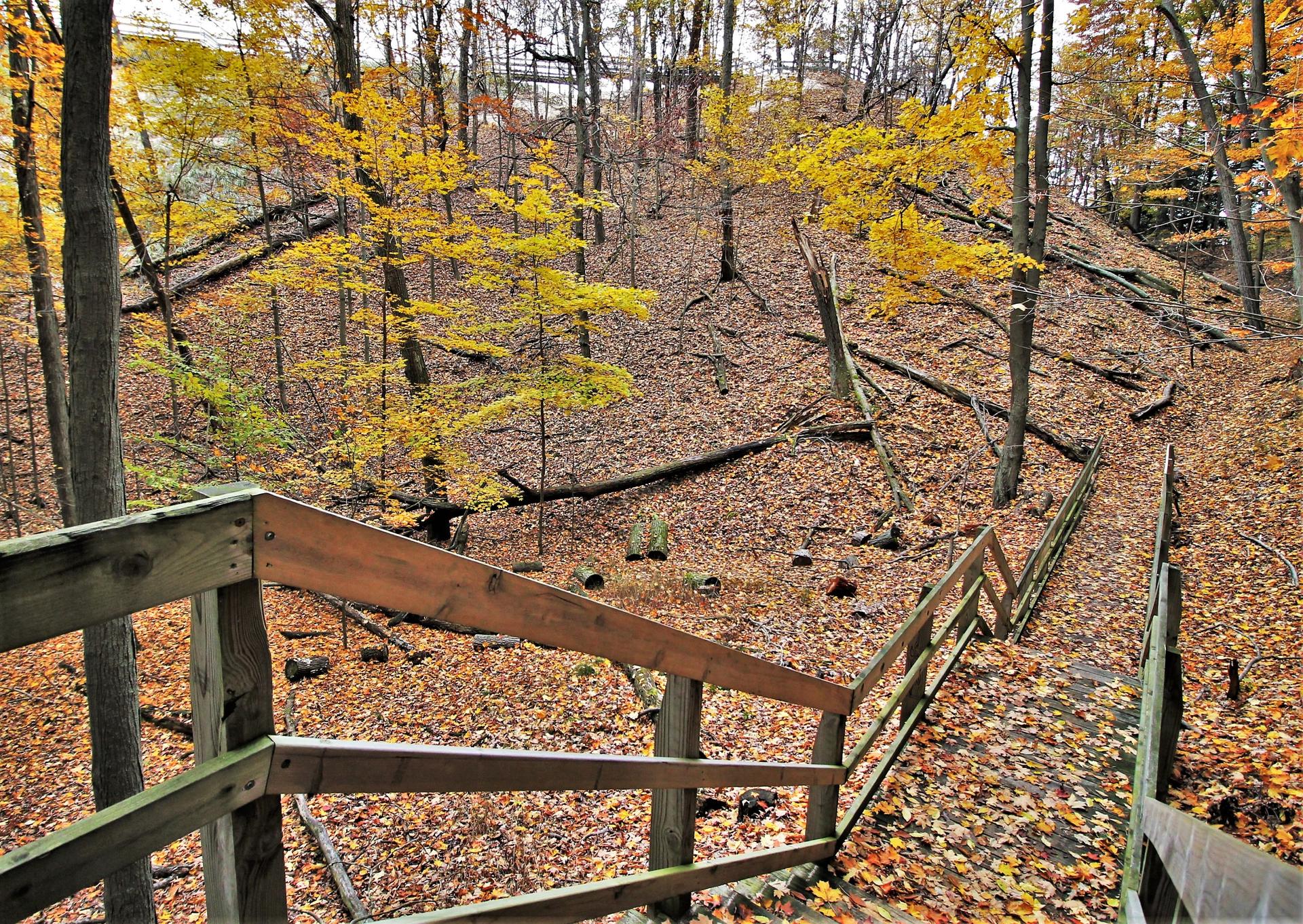
This property offers 593 acres of wooded dunes located just off the Lake Michigan shoreline and uniquely situated between state, county and city parks. Ten miles of hiking trails link North Ottawa Dunes to North Beach Park and PJ Hoffmaster State Park. The property features tremendous topography with an elevation change of 185 feet in the parabolic dune formations. Eight distinct dunes in the rugged landscape exceed 750 feet in height for spectacular, scenic views of the surroundings.
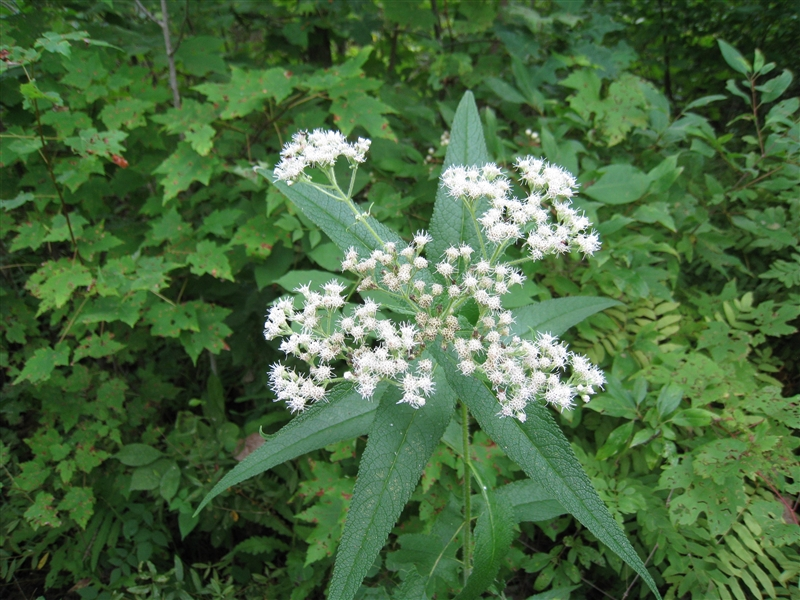
Boneset (Eupatorium perfoliatum) has a host of other common names, including agueweed, thoroughwort, feverwort, Indian sage, and sweating weed. A member of the Aster family, it loves moist soils and can be found in late summer/early fall in marshes, swales, fens, swamps, damp meadows, and along rivers and streambanks.
The name “boneset” is believed to be derived from its use in treating “breakbone fever,” a colloquial term for dengue fever, where sufferers experienced extreme body aches that felt like bones breaking.
One of four Eupatorium species in Michigan, it occurs very frequently throughout the entire state, with records in nearly every county. It’s native to eastern Canada and the U.S., ranging from Nova Scotia to Florida. It is typically 2 to 4 feet tall.
This fragrant white-flowered perennial plant is often found along with Joe-Pye weed, which thrives in the same habitats. The “perfoliate” stem appears to pass right through the leaves, thus the descriptor. Many species of bees and butterflies love the flowers.
Boneset tea is used in traditional medicine as a cold and flu remedy. It should never be ingested fresh as it has a toxic volatile oil which is neutralized by drying the plant. Though bitter-tasting, it has immune-boosting, antibacterial, and anti-inflammatory properties to help fight off infection. It was used as a digestive aid, and to lessen muscle and joint aches. Some people believed it helped broken bones heal faster. Clinical trials showed it equally effective to aspirin. Indigenous peoples of North America used it to promote sweating to help a fever pass, and some groups used it as a hunting charm.